monstershopmonstershop.co.uk
Instructions by monstershopMechanic Repair Stand
monstershop

Mechanic Repair Stand

Mechanic Repair Stand
Before you start
**Ensure you have read and fully understood the instruction manual and safety advice before using this product.** GPSR Information Parts
Steps
1. Opening the stand and inserting the Calliper head 2. Tool Tray Assembly & Securing 3. Adding the tool tray 4. Using the Repair stand and adjustable support rod 5. Maintenance 6. User Demonstration 7. Troubleshooting

No results

monstershop
monstershop / Mechanic Repair Stand
Mechanic Repair Stand
monstershop

Instructions by

monstershop

Mechanic Repair Stand

This guide provides step-by-step instructions for assembling components and using the Mechanic Repair Stand

Product Information

Mechanic Repair Stand

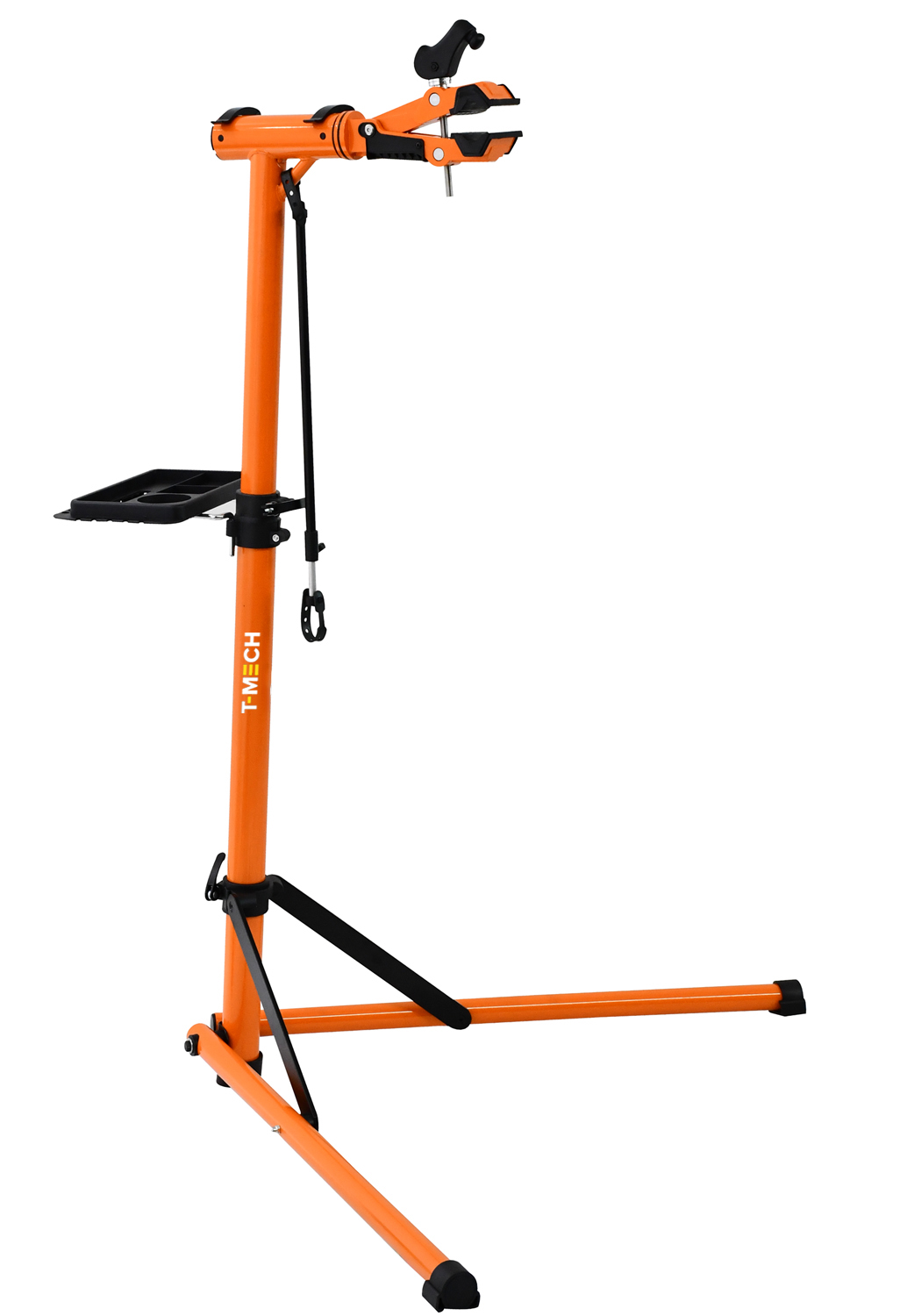
This aluminium alloy bicycle repair stand is designed to securely hold bikes for maintenance, cleaning, and adjustments, featuring a 360° rotating clamp and adjustable height for ergonomic working. Built with a durable powder-coated frame and stable base, it accommodates a wide range of bicycle sizes. The integrated magnetic tool tray and additional stabilising rod with straps enhance convenience and bicycle stability during repairs. 
SKU
217794
SpecificationsAttributes
Product size82x106x107/160cm
Product WeightsNW-7.9kgs / GW- 8.5kgs
Materials Powder Coated Aluminium Alloy Tube, Aluminium clamp, Carbon steel, Polypropylene (PP), Thermoplastic Elastomer (TPE)

Ensure you have read and fully understood the instruction manual and safety advice before using this product.

  • This product is intended solely for holding bicycles during maintenance, cleaning, and light repair tasks; it must not be used to support loads other than bicycles or as a general lifting device.
  • This product is intended for use by competent adults with basic mechanical knowledge; it is not a toy and must be kept out of reach of children.
  • Keep children and vulnerable individuals away from the work area during assembly and use due to risks of trapping, tipping, and falling objects.
  • Inspect all components before assembly and use; do not use the stand if any parts are damaged, bent, cracked, or missing.
  • During assembly, be aware of sharp metal edges that may cause cuts; wear protective gloves and handle all components carefully.
  • Assemble the stand on a clean, flat, and well-lit surface to ensure correct alignment and safe handling of parts.
  • Ensure all bolts, clamps, and locking mechanisms are fully tightened and securely engaged before use.
  • Fully extend and lock all legs before mounting a bicycle to ensure maximum stability and prevent tipping.
  • Position the stand on a firm, level surface; do not use on uneven, sloped, soft, or slippery ground.
  • Do not exceed the maximum load capacity specified by the manufacturer (80kgs); exceeding limits may cause structural failure or tipping.
  • Ensure the bicycle frame tubing diameter is within the clamp range of 20 mm to 80 mm before securing.
  • Secure the bicycle using the clamp on a suitable frame section only; avoid clamping fragile or non-structural components such as cables or thin tubing.
  • Tighten the clamp gradually and evenly to prevent damage to the bicycle frame and to ensure a secure hold.
  • Always verify that the bicycle is firmly secured in the clamp before releasing your hands.
  • Use the additional stabilising rod with straps to secure the front wheel or frame to minimise movement during maintenance.
  • Keep hands and fingers clear of the clamp jaws and adjustment joints to avoid trapping injuries.
  • Adjust the clamp and height slowly and with controlled force; never force mechanisms beyond their limits.
  • Do not adjust height, angle, or clamp position while the bicycle is mounted unless the bicycle is fully supported and stable.
  • Be aware of pinch points at joints, telescopic tubes, and locking mechanisms during adjustment.
  • Maintain proper balance by positioning the bicycle centrally over the stand to prevent tipping.
  • Avoid applying excessive lateral force (e.g. heavy torque on stuck components) that may destabilise the stand.
  • When lifting a bicycle onto the stand, use safe manual handling techniques: bend knees, keep back straight, and seek assistance for heavy bicycles such as e-bikes.
  • Ensure the stand height is adjusted appropriately before lifting to reduce strain and risk of injury.
  • Keep the work area tidy and free from obstacles to reduce the risk of tripping over stand legs, tools, or components.
  • Ensure the magnetic tool tray is not overloaded and that tools are placed securely to prevent falling objects.
  • Wear appropriate personal protective equipment where necessary, such as gloves and eye protection during maintenance tasks.
  • Do not sit, climb, or lean on the stand as this may cause tipping or structural damage.
  • Do not use the stand in high winds or outdoor conditions that may affect stability.
  • If any unusual movement, noise, or instability is observed, stop use immediately and inspect the stand.
  • Keep the stand away from open flames or high heat sources, as materials may degrade or become damaged.
  • Do not modify or alter the stand in any way, as this may compromise safety and void warranty.
  • After use, carefully remove the bicycle and fold or store the stand safely to prevent accidental contact or tripping hazards.
  • Dispose of the product in accordance with local regulations; separate metal and plastic components for recycling where applicable.

GPSR Information

UK

  • Manufacturer: Monster Group UK Limited, Monster House 19-23 Alan Farnaby Way, Industrial Estate Sheriff Hutton, York YO60 6PG, England.
  • Person Responsible: Rana Harvey, Monster Group UK Limited, Monster House 19-23 Alan Farnaby Way, Industrial Estate Sheriff Hutton, York YO60 6PG, England. +441347878880

EU

  • Manufacturer: Monster Group BV, Van Heemskerckweg 28A & B, Venlo 5928LL Netherlands.
  • Person Responsible: Rana Harvey, Monster Group BV, Van Heemskerckweg 28A & B, Venlo 5928LL, Netherlands. +441347878880

Parts

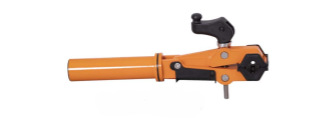
Caliper Head
Caliper Head
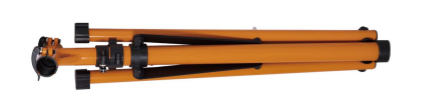
Support Base
Support Base
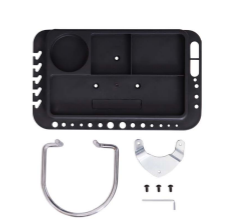
Tool Tray and Fixing Kit
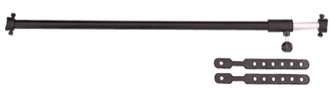
Adjustable support rod and straps

1. Opening the stand and inserting the Calliper head

  • Open the quick release lever at the bottom of the stand to unfold the legs then close the lever to lock the legs securely in place
  • Open the two quick release levers at the top of the stand.
  • Insert the calliper head into the top of the stand and close the levers to secure.

2. Tool Tray Assembly & Securing

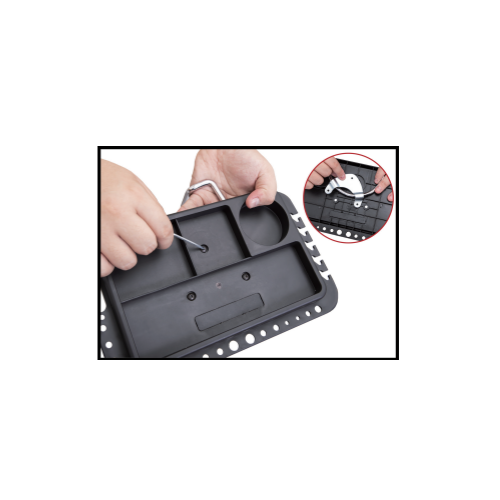
  • Place the U-shaped retaining clip into position on the tool tray.
  • Position the metal plate over the retaining clip, aligning it with the pre-drilled holes and trapping the clip in place.
  • Hold the plate in position and turn the tray over.
  • Insert the three screws from the front side of the tray.
  • Using an Allen key, tighten each screw until the metal plate is securely fixed in place.

3. Adding the tool tray

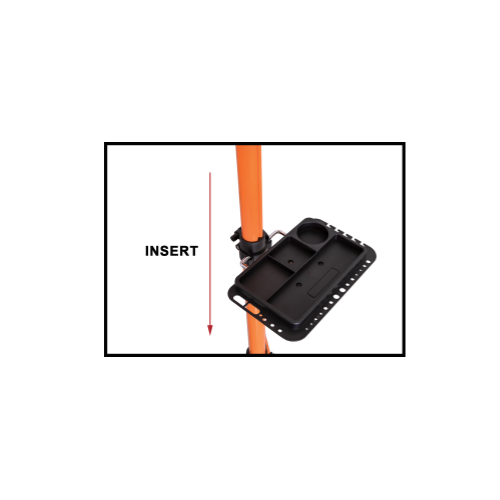
Line up the retaining clip arms with the holes on the stand and push down until the tool tray is in place.

4. Using the Repair stand and adjustable support rod

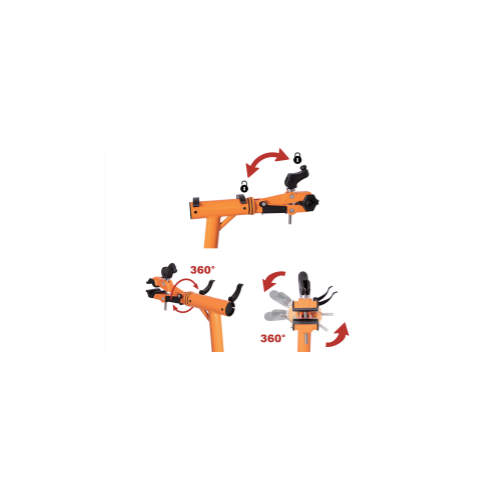
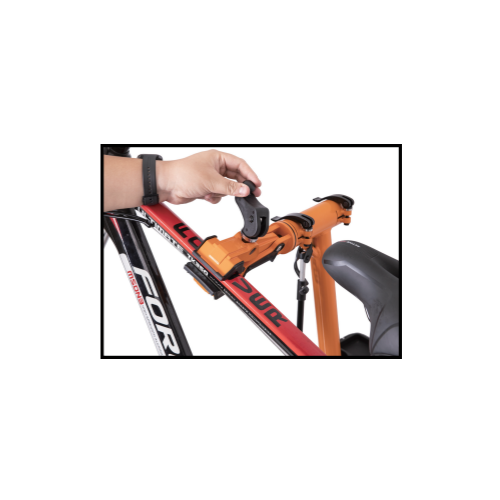
  • Open the calliper head by turning the handle to widen the clamp.
  • Lift the bike and position the frame between the clamp jaws (typically the seat post or frame tube).
  • Tighten the handle until the bike is held securely in place. Do not overtighten.
  • To adjust the height, open the height adjustment quick-release on the main pole, raise or lower the stand to the desired position, then close the quick-release firmly to lock it in place.
  • Adjust the angle of the calliper head as needed to suit your working position.
  • To use the adjustable support rod, attach one end to the stand and the other end to the front of the bike (typically the handlebar or fork). Adjust the rod length to stabilise the front wheel and prevent movement during repairs.
  • Once everything is secure and stable, carry out your maintenance or repairs.
  • When finished, loosen the handle and carefully remove the bike.

Note:

Always seek assistance when lifting the bike onto or off the stand, and when supporting its weight while making adjustments.

5. Maintenance

  • Regularly inspect the stand for wear, damage, or corrosion, especially on the clamp, joints, and load-bearing parts.
  • Check and tighten all bolts, screws, and locking mechanisms to ensure stability and safe operation.
  • Clean the stand after use to remove dirt and grease; avoid harsh chemicals that may damage materials.
  • Lightly lubricate moving parts such as the clamp and adjustment joints to maintain smooth operation.
  • Ensure the clamp jaws and locking mechanisms remain clean and function securely without slipping.
  • Inspect the stabilising rod and straps for wear or damage and replace if necessary.
  • Store the stand in a dry, indoor environment and avoid exposure to moisture or extreme temperatures.
  • Replace any damaged or worn components only with manufacturer-approved parts.

6. User Demonstration

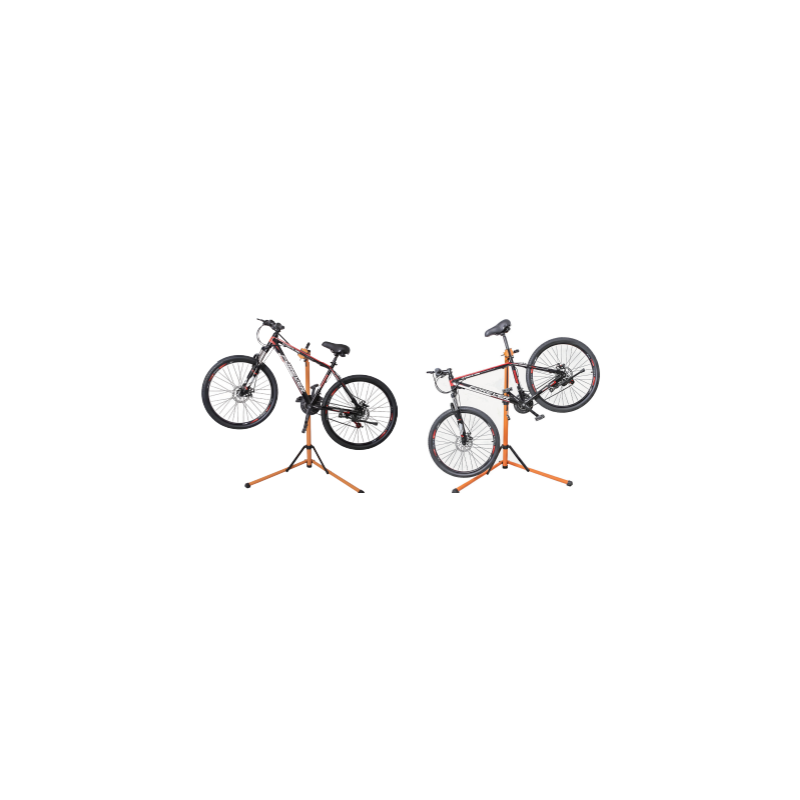
Clamp the bike by the seat post whenever possible. If required, the frame may also be clamped, ensuring the area is strong and free from damage. Do not clamp fragile or thin tubing.

7. Troubleshooting

WHAT DO I DO IF THERE ARE MISSING PARTS FROM MY ORDER?

If there appears to be any part missing from your order, contact our friendly and helpful Customer Support Team within 7 days of receipt.

monstershop
monstershop (opens in new tab)Terms (opens in new tab)Privacy (opens in new tab)