monstershopmonstershop.co.uk
Instructions by monstershopHeavy Duty Hand Wringer
monstershop

Heavy Duty Hand Wringer

Heavy Duty Hand Wringer
Before you start
Safe Working Practice GPSR Information Parts
Steps
Section 1Section 2Section 3Section 45. Maintenance6. Troubleshooting

No results

monstershop
monstershop / Heavy Duty Hand Wringer
Heavy Duty Hand Wringer
monstershop

Instructions by

monstershop

Heavy Duty Hand Wringer

Instructions for assembling, installing, and using the Heavy Duty Hand Wringer. It includes safety advice, operational guidelines, and maintenance tips.

Product Information

Heavy Duty Hand Wringer

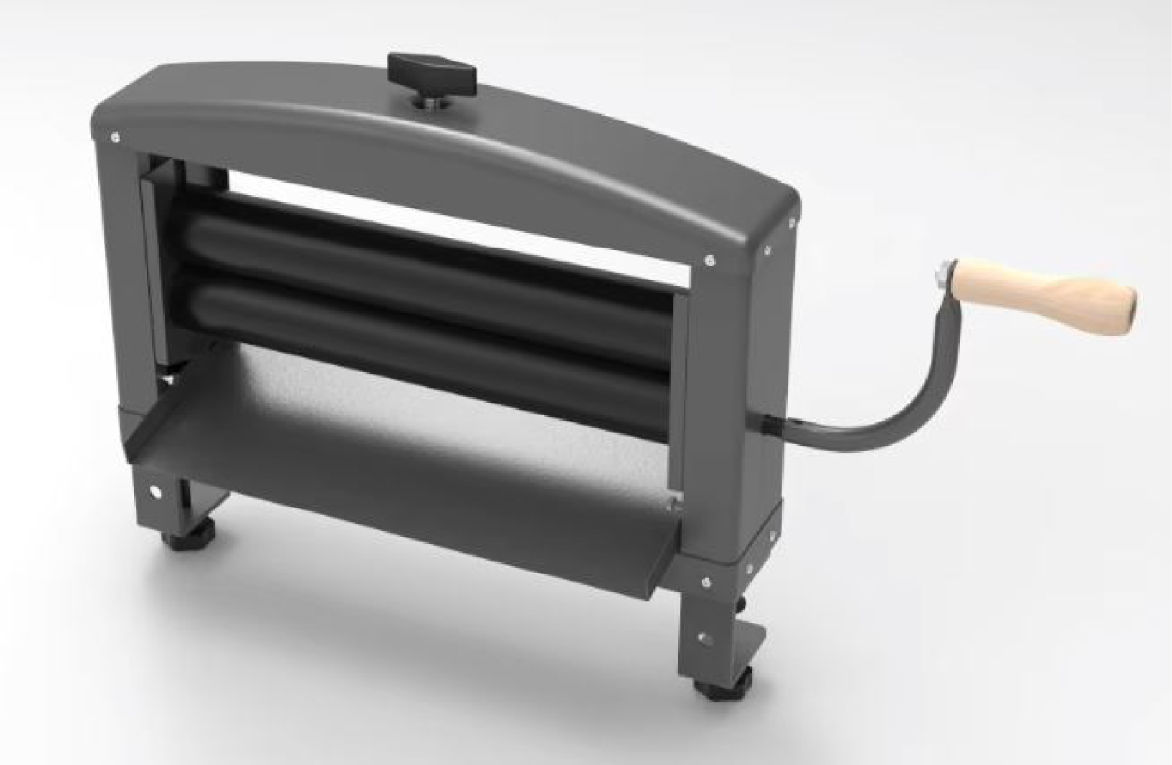
This heavy-duty manual hand wringer quickly and efficiently removes liquids from cloths, rags, and pads—no power needed. Built with chemical-resistant NBR rollers and a sturdy steel frame, it’s perfect for industrial, agricultural, marine, and emergency cleanup use. The extended handle makes operation easy and safe, while the drainage tray keeps your workspace clean.
Weight
5.5 kg
Materials
Carbon Steel, Stainless Steel, Aluminium, Wood, Powder Coating
SKU
215670
Specifications:
Dimensions (including handle) 68 (L) x 15.5 (W) x 44 (H) cm
Dimensions (excluding handle) 45 (L) x 15.5 (W) x 44 (H) cm
Handle Dimensions: 10cm
Minimum and Maximum Clamp Settings: 0.1~20mm

This wringer is equipped with NBR (nitrile rubber) rollers, which are resistant to water and most petroleum-based liquids, including:

  • Petroleum-based oils
  • Lubricating oils
  • Grease-contaminated liquids
  • Common light fuels (such as diesel and kerosene)

Do not use this wringer with:

  • Solvents, alcohols, or aromatic hydrocarbons
  • Acids or corrosive chemicals
  • Gasoline or other highly volatile fuels unless all applicable safety precautions for flammable liquids are followed

> Note: NBR materials are not resistant to strong solvents or chemicals. Using incompatible liquids may damage the rollers or create safety hazards.

Safe Working Practice

Please read through the Safe Working Practice to ensure prevention of injury or damage to the device.

• Ensure you have read and fully understood the instruction manual and safety advice before using this product.

• Do not place hands, fingers, or any body part between the rollers during operation; serious injury can occur.

• Always operate the wringer using the provided handle; do not attempt to turn the rollers manually.

• Keep hands and loose clothing away from all moving parts, especially near the handle mechanism and rollers.

• Do not allow children or untrained individuals to operate this product.

• Ensure the wringer is firmly secured to a stable, flat table or workbench using the provided fixing attachment before each use.

• Turn the handle slowly and evenly to avoid sudden jerks that may lead to injury or product instability.

• Take regular breaks during extended use to prevent overexertion or repetitive strain injuries.

• Only insert items that fit easily into the roller gap to avoid jamming or excessive force.

• Do not force items through the rollers; doing so may cause mechanical failure or personal injury.

• Wear protective gloves when using the product frequently or handling wet/oily items to prevent abrasions.

• Place the wringer above a suitable container, tray, or drainage area to catch all expelled fluids during use.

• Immediately clean up any spilled water or oil around the work area to reduce the risk of slipping.

• Use anti-slip mats beneath the unit if used in environments where spills are likely.

• Use the product only with water or approved oils; do not attempt to wring out solvents or other chemical fluids.

• Regularly inspect the rollers for signs of wear, cracking, or material degradation; replace worn rollers promptly.

• Never operate or rotate the handle while cleaning or maintaining the product.

• Secure the handle in a stationary position when the product is not in use to prevent accidental rotation.

• Store the wringer in a dry, stable location to prevent rust, corrosion, or accidental tipping.

• Ensure the surface beneath the product is level and stable before each use.

• Do not attempt to disassemble or modify any part of the product unless instructed to do so in the official manual.

• Follow all maintenance and cleaning guidelines included in the instruction manual.

• Only use manufacturer-approved replacement parts to maintain safety and performance standards.

• Dispose of worn or damaged components in accordance with local regulations and safety protocols.

GPSR Information

UK

  • Manufacturer: Monster Group UK Limited, Monster House 19-23 Alan Farnaby Way, Industrial Estate Sheriff Hutton, York YO60 6PG, England.
  • Person Responsible: Rana Harvey, Monster Group UK Limited, Monster House 19-23 Alan Farnaby Way, Industrial Estate Sheriff Hutton, York YO60 6PG, England. +441347878880

EU

  • Manufacturer: Monster Group BV, Van Heemskerckweg 28A & B, Venlo 5928LL Netherlands.
  • Person Responsible: Rana Harvey, Monster Group BV, Van Heemskerckweg 28A & B, Venlo 5928LL, Netherlands. +441347878880

Parts

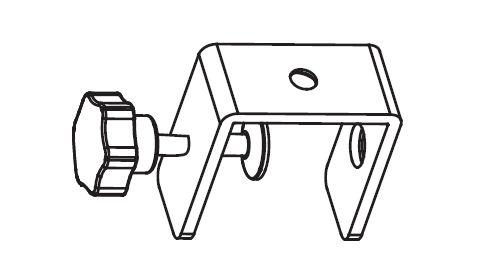
Clamp
Clamp
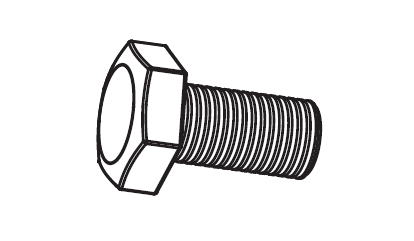
Screw
Screw
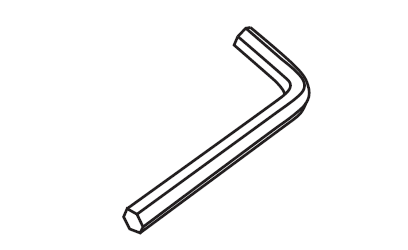
Allen Key
Allen Key
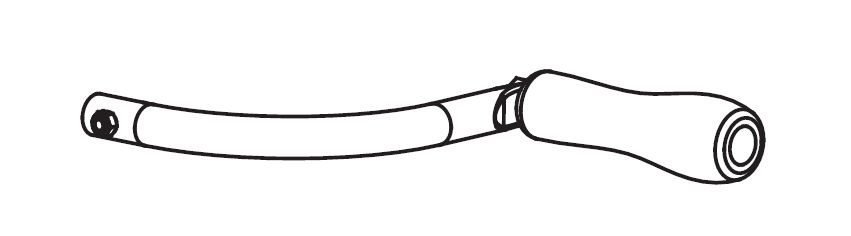
Crank Handle
Crank Handle
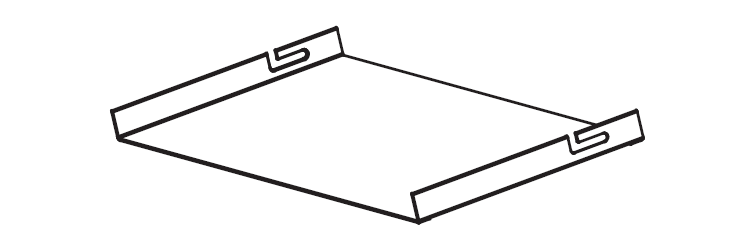
Drain plate
Drain plate
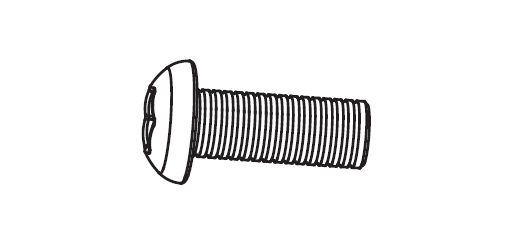
Cross round-head screw
Nut
Nut
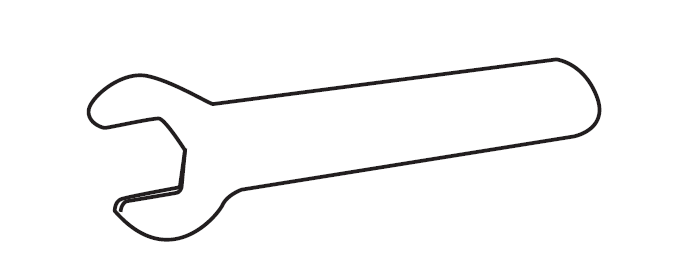
Spanner
Spanner

1.

1. Insert the crank handle into the wringer.
2. Use the Allen key to tighten it securely.

2.

  • To increase pressure (make it tighter): turn the top adjustment screw clockwise.
  • To decrease pressure (make it looser): turn the top adjustment screw counterclockwise.

3.

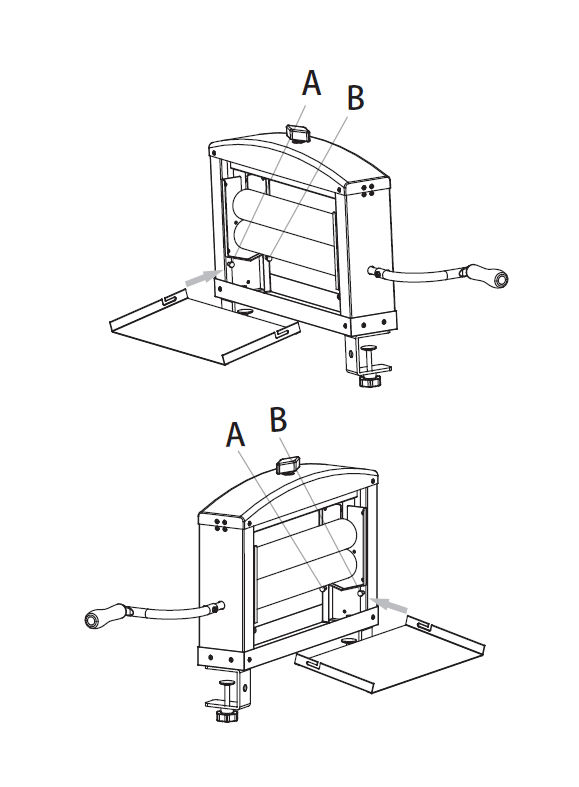
The drain plate should be attached to one side of the wringer.

It has two L-shaped grooves that slide into fixed screws under the rollers.
Choose your installation direction:

  • If installing from A → B:\

Insert the B-side fixed screws fully into the L-shaped grooves, then slide the drain plate toward A to lock it in place.

  • If installing from B → A:\

Insert the A-side fixed screws fully into the L-shaped grooves, then slide the drain plate toward B to lock it in place.

4.
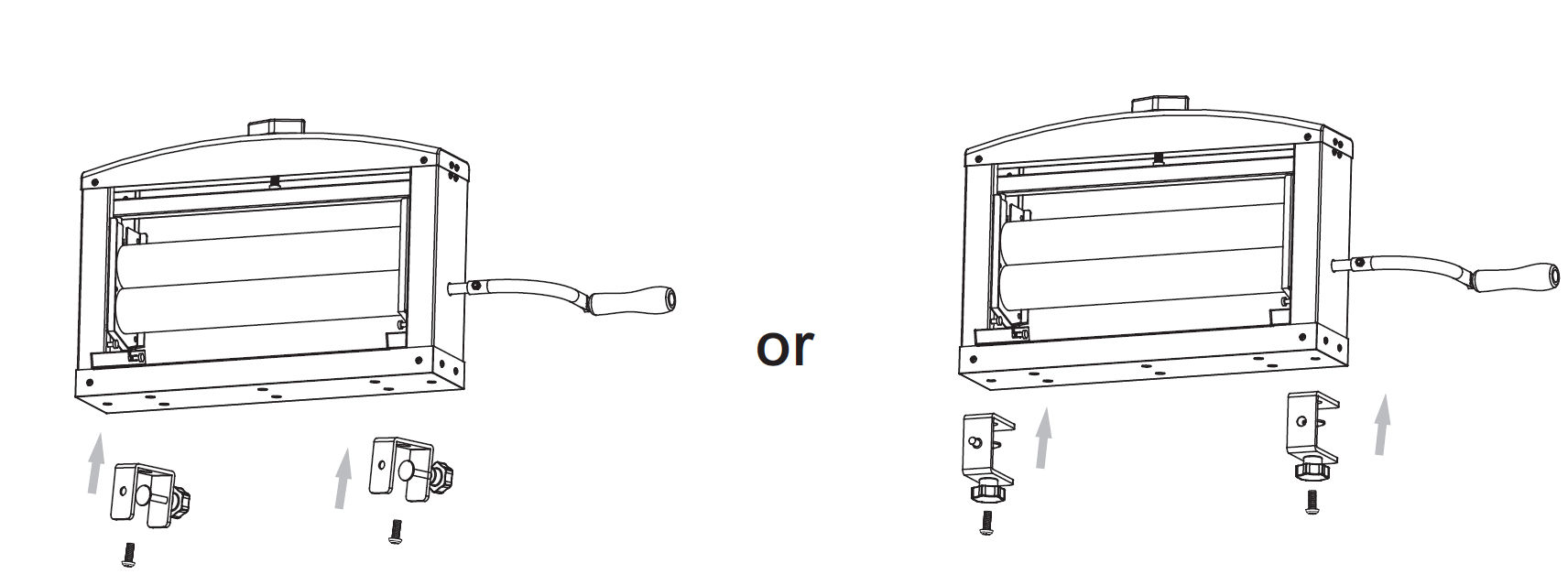
The clamps can be attached horizontally or vertically, depending on your setup.

  • They can rotate 360° for flexibility.
  • You can adjust the distance between clamps by choosing different mounting holes on the bottom of the wringer.
  • Once positioned, tighten the clamps securely.

Note:

  • If the wringer feels overloaded or hard to turn, release pressure slightly by loosening the top adjustment screw.
  • Do not force the handle — doing so may cause damage.

5. Maintenance

  • Store the wringer in a dry, stable location to prevent rust, corrosion, or accidental tipping.
  • Never operate or rotate the handle while cleaning or maintaining the product.
  • Regularly inspect the rollers for signs of wear, cracking, or material degradation; replace worn rollers promptly.
  • Ensure all screws and fasteners remain tight. Loose components may result in instability during use.
  • Clean rollers after each use to prevent build-up of dirt, oil, or debris. Use a damp cloth and mild soap; avoid harsh chemicals that may degrade roller material.
  • Apply a small amount of food-safe or machine-grade oil to the handle pivot points and mechanical joints every 1–2 months, or more frequently in humid or heavy-use environments.
  • Inspect mounting clamps for thread wear, corrosion, or damage. Replace or repair if clamping strength is compromised.

6. Troubleshooting

  • WHAT DO I DO IF THERE ARE MISSING PARTS FROM MY ORDER?

If there appears to be any part missing from your order, contact our friendly and helpful Customer Support Team within 7 days of receipt.

  • FOR ALL OTHER ISSUES, PLEASE CONTACT OUR CUSTOMER SUPPORT TEAM.
monstershop
monstershop (opens in new tab)Terms (opens in new tab)Privacy (opens in new tab)